Whether you are dreaming of a perfectly straight smile or just starting your orthodontic journey, it is natural to wonder about the “ouch” factor. Invisalign is famous for being more comfortable than metal braces, but it still works by moving your teeth. To help you prepare, we are breaking down the Invisalign pain stages so you know exactly what to expect from your first tray to your final result.
Understanding How Invisalign Causes Discomfort
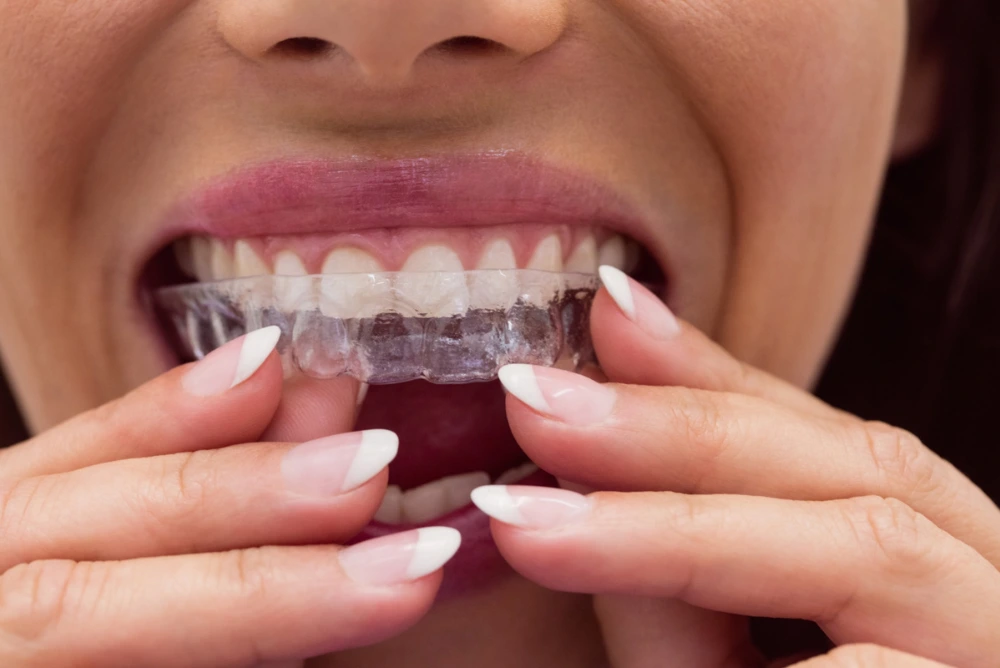
Invisalign works by applying gentle, controlled pressure to move your teeth into the right position. This pressure is necessary, but it can lead to mild soreness.
You may notice:
- Tightness when wearing a new aligner
- Mild aching in your teeth and gums
- Slight sensitivity while chewing
These sensations are completely normal and show that your treatment is working.
The Most Painful Stage of Invisalign
Initial Stage (First 2–3 Days)
The first few days are usually the most uncomfortable.
- Teeth are adjusting to new pressure
- Aligners may feel tight when removing them
- Mild soreness is common
This stage is often considered the peak of the Invisalign pain experience, but it improves quickly.
Aligner Change Stage
Every time you switch to a new aligner, you may feel some pressure again.
- Discomfort returns briefly
- Pain is usually less intense than in the first stage
- Symptoms fade within a couple of days
This pattern is a normal part of the Invisalign discomfort timeline.
Mid-Treatment Stage
As your treatment progresses, your mouth adapts.
- Pain becomes much milder
- Pressure lasts only a few hours
- Daily routine feels easier
At this stage, most patients feel comfortable wearing aligners.
Final Stage
Near the end of treatment, discomfort is minimal.
- Teeth are close to their final position
- Aligners feel more natural
- Pain is rarely noticeable
This is when patients begin to see the full results of their efforts.
Pain Comparison Chart
| Stage of Treatment | Level of Discomfort | Primary Cause |
| First 3 Days | Moderate | Initial pressure and mouth adjustment |
| Switching Trays | Mild | New pressure on specific teeth |
| Wearing Attachments | Low/Mild | Small bumps rubbing against lips |
| End of Treatment | Very Low | Settling into a retainer |
Tips to Reduce Invisalign Pain
You can manage discomfort with a few simple habits.
- Switch to new aligners before bedtime
- Use a cold compress to ease soreness
- Eat soft foods during sensitive days
- Take mild pain relief if needed
- Wear aligners consistently as advised
These small steps can make your Invisalign journey much smoother.
How Long Does Invisalign Pain Last?
Pain is usually short-lived and tends to improve over time.
- Initial soreness lasts about 2–3 days
- Mild discomfort may return with new aligners
- Pain decreases as treatment continues
The Invisalign discomfort timeline shows a clear pattern—each stage gets easier than the last.
Is Invisalign More Comfortable Than Braces?
Many patients visiting a dental clinic Stittsville trust find Invisalign more comfortable compared to traditional braces
- No metal wires or brackets
- Less irritation to cheeks and gums
- Removable for eating and cleaning
This makes Invisalign a convenient and popular option.
The Importance of Choosing the Right Dental Provider
Your experience with Invisalign depends greatly on your provider. Proper guidance ensures better comfort and results.
If you are considering Invisalign in Stittsville, choosing a trusted dental clinic in Stittsville is essential. A skilled dentist near you can monitor your progress and help reduce discomfort at every stage.
Conclusion
Invisalign discomfort is usually mild and temporary. The most painful stage occurs during the first few days and when switching aligners, but it quickly fades. With proper care and expert support, the process becomes easier over time.
If you are planning to start Invisalign in Stittsville, Asnan Dental Hazeldean is here to support you. As a reliable dental clinic, we focus on comfort and personalized care. Visit a trusted dentist near you and book an appointment today to begin your smile journey.
FAQs
Does Invisalign hurt more than braces?
Invisalign is generally less painful than braces. It uses smooth aligners instead of wires and brackets, so irritation is minimal and discomfort is usually mild and short-lasting.
How long does pain last after switching aligners?
Pain after switching aligners usually lasts one to three days. The pressure fades as your teeth adjust, and each new set tends to feel more comfortable than the previous one.
Can I eat normally with Invisalign?
Yes, you can eat normally after removing your aligners. It is important to avoid eating with them on and to clean your teeth before putting them back in.
What helps reduce Invisalign discomfort quickly?
Cold compresses, soft foods, and switching aligners at night can help reduce discomfort. Wearing aligners as instructed also helps your teeth adjust faster and reduces pain.
Is it normal to feel pain every time I change aligners?
Yes, mild discomfort is normal with each new aligner. It shows your teeth are moving, but the pain is usually less intense than during the initial stage.
When should I contact my dentist about pain?
You should contact your dentist if the pain feels severe or lasts longer than a few days. This may indicate an issue that needs professional evaluation or adjustment.